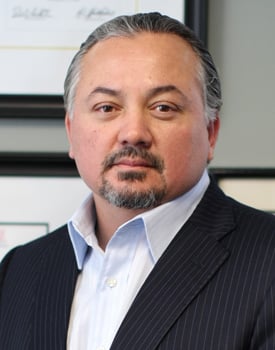
From time to time, we invite a trusted expert to share a few words with our readers. This week, we present a guest blogger with sterling credentials in his field and an unmatched reputation in health and wellness. Today, he talks about personal trainers. We won't try to share his bona fides here, but you can read all about him on his website. But first, please welcome Brian K. Theiss, founder and CEO of TheissCare LLC. You'll be glad you took the time to read his advice. ~ Tim Adams
How to Choose a Personal Trainer
“Personal trainer” is a title most of us had never heard of until 10 or 20 years ago. Today personal trainers are as common as hairstylists. Like your hairstylist, personal trainers come in all sizes, ages, sexes, and experience levels.
For years, health clubs were overflowing with advice from well-meaning members and staff who were often under-qualified, without the knowledge to give such advice. Even today, this same problem persists. The pressing issue is that much of the advice on health and fitness is misguided and just plain wrong. Therefore, it is potentially dangerous, compromising, or life threatening. Allowing a trainer to push you too hard on cardio equipment, or even free weights, beyond what your body can tolerate, coupled with poor and improper technique - increases the chances of a major injury; in fact, it’s just a matter of time.
Ten years ago learning to exercise safely and effectively was the major reason to hire and work with a personal trainer, but today we live in a more complicated and more science- based society which demands more from the fitness profession. Hiring a personal trainer makes senses if your personal trainer is able to:
- Follow the guidance and parameters set by your healthcare provider(s)
- Work hand and hand with your healthcare provider to improve your personal health status
- Educate you on proper form, biomechanics and proper execution of all exercise(s)
- Based on your health status, design a customized health program tailored specifically to your unique genetics and lifestyle
- Systematically determine and establish realistic and attainable goals
In truth, personal trainers are a dime a dozen and come from all walks of life, with an array of backgrounds and motives. Many personal trainers work with clients as a second or even a third career, to make ends meet. Very few actually take the time to develop their passion to help others into a full time profession. Personal trainers who have made the shift into a full time profession need to have these basics covered:

Credentials. There was a time when all you needed was a business card, little to no experience, and passion to call yourself a personal trainer. Times have changed in a significant way. Today, personal trainers are required to be certified by nationally recognized fitness organizations. Look for personal trainers who have their credentials from the International Sport Science Association (ISSA), American College of Sports Medicine (ACSM), Institute for Aerobics Research or the National Strength and Conditioning Association, or any other major and recognized certification organization that have the years of experience and set new standards in the profession of personal trainers. The International Sports Science Association set new standards in the personal training industry for over 20 years and they continue to set standards across the country.
Educational Background. Demand a trainer who is committed to his or her profession! These professional trainers have invested in such degrees as Kinesiology, Exercise Science, Physiology, Chemistry, or equivalent degrees. Demand a personal trainer who has a personal commitment to themselves and their profession. These trainers keep up-to-date on fitness training and health related issues by subscribing to professional journals and by continuing their education through seminars and higher degrees. Please take the initiative to ask questions to determine their commitment level and experience in the profession.
Hands on Experience. Demand that your personal trainer be well versed in the techniques of all forms of training pertaining to your health. They must have years of experience to set realistic goals for hundreds of clients. Look for personal trainers who teach, lecture, and publish articles for established magazines and journals and for those who have written books, produced DVDs and CDs. Ask specific and direct questions. They must be able to measure your physiology and then be able to manage your health now and in the future. Your goals and their support need to be based on scientific principles, not assumptions.
CPR/First Aid Training. It happens. Something goes dramatically wrong during your workout session with your personal trainer. Can your personal trainer do more for you then call 911? A professional trainer should be fluent in CPR and First Aid. He or she needs to be able to use an automatic defibrillator, take your blood pressure, and visually ascertain if you are having a serious problem. Most importantly, he or she needs to able to keep a cool head and assist a medical professional either on the phone or in person.
Communication Skills. If you are fortunate enough to afford a professional personal trainer, you not only need someone who is versed in the science of training but who has a great personality and the communication skills to motivate, stimulate and encourage progress. And as importantly, you need someone who has the personality and the skills to listen, respond, and keep you interested without getting too personal.
Gender. Working with a professional personal trainer is an up-close and semi-personal relationship. Choosing a male or female trainer may make a difference to you. With that said, you should choose your personal trainer based on education and experience and not solely by gender. The true professional personal trainer will make anyone feel comfortable and secure at all times. They are a blessing to work with.
Fees. Cost is where the men are separated from the boys. Keep in mind that price is determined by all that I have listed here. Expect to invest between $100 to $500 plus per hour for a professional personal trainer. The more qualified and educated the professional personal trainer, the more you can expect to invest. The more qualified professional personal trainer will not only be in high demand, but you must expect to wait to work with him, since most are booked weeks to months in advance.
The higher end professional trainer will demand a higher fee, and they are worth it since they will be able to provide you the the health you deserve. GOALS are the key here. If they are unable to establish realistic goals and reach them, this is a true sign of lack of clients, experience, ability or worse, lack of education competence. I want you to be confident that you are working with a true professional who has mastered his or her trade, and that you are truly getting the highest return on your investment.
Availability. Your qualified professional personal trainer should be able to work with you one-on-one. They will typically structure your appointments in advance for your results and your convenience. A professional trainer will have contracts covering policies including scheduling, cancellations, medical issues, and billing. Be prepared to pay in full, and up front, for a professional personal trainer. In this business transaction, be sure to ask all business related questions. Collect all information in writing and never be afraid or intimidated to ask questions for clarification.

Brian K. Theiss is the Founder and CEO of TheissCare, LLC,
TheissCare • 5959 Topanga Canyon Blvd • Suite 160 • Woodland Hills, CA, 91367 • (805) 813-3280