
Counting Macros – What Are Macros and Why Count Them?

If you’ve read many fitness blogs or books and articles on nutrition, you’ve probably read that you should be counting macros. Everyone from fitness coaches to bodybuilders advise to “eat according to your macros,” but they seldom seem to explain what macros actually are or how to find them, even while they emphasize the fact that you should be counting them. Well, that's exactly why we've written this post, to help you figure out the world of macros, how to count them and how much of each you should be eating on a daily basis.
Exactly What is a Macro?
“Macros” is short for “macronutrients” which is another term for proteins, carbohydrates and fats. Things like vitamins, minerals, sodiums, etc. are micronutrients and do not contain calories. Monitoring your intake of macronutrients helps keep the proper balance of nutrients in your body. You need adequate protein intake to build muscle and guard against muscle loss. Protein helps stave off hunger, too. It requires more energy and time to digest, therefore keeping you fuller longer. Many health experts and fitness enthusiasts recommend high-protein diets for fat loss. How much protein does one need per day? It depends on your weight, body-fat percentage, and fitness goals but it can be as low as .5 grams per pound of lean body mass to as high as 1.5 or 2 grams per pound of lean body mass per day. Lean body mass is calculated by subtracting your fat from your total body weight.
Fat is Not a Dirty Word
Fat, thanks to society and the media, has acquired a negative reputation but is actually an essential nutrient. In fact, the right types of fat are required in order to stay healthy as they assist in vitamin absorption, hormone regulation and brain function. Healthy fats can be found in meat, fatty fish, nuts, nut butters, oils and other sources. How much fat you need again depends on your weight, body-fat, and fitness goals, though it’s anywhere from 15% to 45% of your total calories, or .35 to .7g per pound of lean body mass.
Carbohydrates, or carbs, are used by our bodies as a source of energy. They are stored in the liver, brain, blood, and muscles as glycogen and they are present in nearly every food we eat, from fruits, vegetables and grains to processed food and drinks. The ideal amount of carbs per day is .5 to 2 grams of carbs per pound of lean body mass.
Counting Macros
You may have tried calorie counting before, but a much more efficient way of monitoring your nutrition is by counting macros, which compose calories anyway. By counting macros, you can figure out what you should be putting in your body every day, and how much. But since macros are usually measured in grams, what’s the best way to keep track of them? Most packaged food and recipes measure food in cups, tablespoons, quarts, etc.
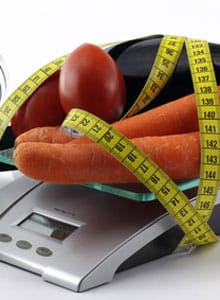
If you don't own one, you should invest in a food scale. They’re cheap, simple to use and the best method of measuring your macro intake. You may think you can eyeball your food and convert it to grams, but humans are actually notoriously inaccurate at measuring by eye. What you may think is the right amount of protein could be too much or too little.
Keep in mind that you have to count all the macros in a food. For example, even though chicken is a great protein source, it also contains fat. To accurately count your macros, you will have to count both the protein and the fat in the piece of chicken.
How to Calculate Macros
First, you’ll have to determine your level of bodyfat. We've found a calculator that will help you accomplish that here. Then, input your bodyfat, total weight, and other factors into this calculator to learn how many grams of each macro you should be consuming each day.
Record Your Macros and Monitor Improvement
Record your intake of macros and see where you need to make adjustments. You will be able to see if you’re eating too much fat or not enough protein and revise your plan accordingly. Adjust your diet for your fitness goals, whether those are muscle build-up, fat loss, or simply better overall health. Monitor your progress and enjoy the improvement!
Remember, you don’t need to strictly count and monitor your macros for the rest of your life. The ability to do so, however, will help you reach your goals, whether they be strict ones or loose ones. For example, if you have a few months to train for a marathon or a bodybuilding competition, knowing how to count your macros will keep you on a tight track to victory while vaguely "monitoring" what you eat is not likely to lead to success.

Let RX Fitness Equipment Help
RX Fitness Equipment in Thousand Oaks is here to help with your fitness goals, whatever they may be. If you need a referral to a personal trainer or nutritionist to help you stay on top of your routine, we know hundreds. Come in and let us help you find exactly who you're looking for.
Contact Tim Adams for a free consultation or stop by the store and take something for a test drive. We’re here to help.


