Optimizing Reps – What Are Reps And Why Optimize Them?

Reps, short for repetitions, are a fundamental concept in resistance training and physical fitness. Understanding what reps are and how optimizing reps for maximum results is crucial for anyone looking to improve their fitness level, build muscle, or increase strength. In this post, we will explore the concept of reps and sets, and delve into the science behind them and provide insights on how to optimize them for the best outcomes.
Reps And Sets – What's The Difference?
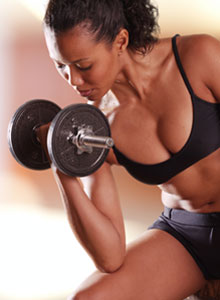
Reps and sets are basic terms in strength training and fitness, but they refer to different aspects of a workout routine. A rep, or repetition, is one complete motion of an exercise. For example, in a bicep curl, lifting a dumbbell up and then lowering it back down counts as one rep. A set is a group of consecutive reps. After you perform a certain number of reps, you take a break, and that completes one set. For instance, if you do 10 bicep curls, rest, and then do another 10 curls, you have completed two sets of 10 reps each.
So ... reps refers to the number of times you perform a specific exercise without stopping. A set is a group of reps performed consecutively. The number of reps you perform in a set can significantly impact the type of fitness benefit you receive.
Types of Reps
- Low Rep Range (1-5 reps) – This range is typically associated with building strength. Heavier weights and fewer reps target the neuromuscular system, enhancing your ability to lift more weight.
- Moderate Rep Range (6-12 reps) – Often recommended for muscle hypertrophy, or muscle growth. This range strikes a balance between muscular endurance and strength, using moderately heavy weights.
- High Rep Range (13-20+ reps) – Focuses more on muscular endurance. Lighter weights and higher reps improve the muscle's ability to perform over a longer period.
The Science Behind Optimizing Reps
The physiology behind optimizing reps is rooted in muscle fiber types and energy systems. Fast-twitch muscle fibers, responsible for quick, explosive movements, are engaged more during low rep ranges with heavy weights. In contrast, slow-twitch fibers, which are better for endurance, are engaged during higher rep ranges.
Energy Systems
- Phosphagen System – Used during high-intensity, short-duration exercises, like heavy lifting (low rep range).
- Glycolytic System – Kicks in during moderate-intensity activities, which align with the moderate rep range.
- Aerobic System – Supports longer-duration activities like those in high rep ranges.
Trainer Insights on Optimizing Reps
- Setting Goals – First and foremost, trainers emphasize the importance of aligning your rep strategy with your fitness goals. For strength, focus on lower reps with heavier weights. For muscle growth, aim for a moderate range, and for endurance, go for higher reps with lighter weights.
- Progressive Overload – A key concept shared by trainers is progressive overload. It involves gradually increasing the weight, frequency, or number of reps in your exercises to continuously challenge your muscles.
- Rest and Recovery – The rest period between sets is crucial. For strength and power, longer rest periods (2-5 minutes) are often recommended, allowing for complete recovery. For hypertrophy, shorter rest periods (30-90 seconds) can be more effective, creating metabolic stress conducive to muscle growth.
- Technique and Form – Trainers stress the importance of proper technique and form, especially as you increase weight or reps. Poor form not only reduces the effectiveness of your workout but also increases the risk of injury.
- Variation and Adaptation – To prevent plateaus and continue making progress, trainers suggest varying your rep ranges and exercises. This approach keeps your muscles guessing and avoids adaptation, leading to consistent improvements.
- Nutrition and Hydration – Optimizing reps also involves looking beyond the workout itself. Proper nutrition and hydration are crucial for muscle recovery and growth. A balanced diet rich in protein, carbohydrates, and healthy fats, along with adequate hydration, supports your training efforts.
- Listening to Your Body – Finally, trainers emphasize the importance of listening to your body. Optimizing reps and sets should be based not only on your goals but also on how your body feels. Overtraining can lead to fatigue and injury, counteracting your efforts.

Understanding Reps And Sets
Reps are a versatile tool in your fitness arsenal. By understanding their role and how to manipulate them based on your goals, you can optimize your workouts for strength, hypertrophy, or endurance. Incorporating trainer insights into your routine, focusing on technique, and paying attention to rest, recovery, and nutrition, will further enhance the effectiveness of your reps. Remember, fitness is a personal journey, and what works best can vary from person to person. Therefore, it's essential to experiment, adjust, and find the rep strategy that aligns with your individual goals and needs.

RX Fitness Is Here To Help

If you're working on better understanding reps and sets in your fitness routine and would like to discuss it with a professional, RX Fitness Equipment in Thousand Oaks, Anaheim Hills, and Mission Viejo works with hundreds of personal trainers, coaches, and nutritionists. We would be happy to connect you with someone who can help. RX Fitness Equipment offers the best equipment from the top manufacturers to fit every fitness goal and budget. Stop by today for expert advice and friendly help in finding the equipment that is perfect for you. And don't forget to check out Tim's best-selling book, Fitness Equipment – A Shopper's Guide, available at Amazon and other online book sellers as well as in our store.